Gas stoves are all the rage for people who want to cook their food at home.
They are simple to use, and they offer a fast and uncomplicated way to prepare your food.
However.
These “convenient” appliances release harmful air pollution indoors.
How harmful, you ask?
More like Deadly…
This simple-to-use gas stove can cause health problems, including asthma, heart disease, and cancer.
In this post, we are going to examine the hazards of gas stove air pollution and how you can lessen the risk of exposure.
By the way, there are affiliate links contained in this blog.
It’s regarding an amazing weight loss product that deals (specifically) with hanging bellies, flabby arms and love handles.
Anyway, back to the article…
1. What is indoor air pollution?
Indoor air pollution alludes to destructive chemicals and particles that are created when we burn gas, wood, or oil indoors. These particles can cause major health issues, as mentioned above.
According to epa.gov: “Indoor Air Quality (IAQ) refers to the air quality within and around buildings and structures, especially as it relates to the health and comfort of building occupants.”
https://www.epa.gov/indoor-air-quality-iaq/introduction-indoor-air-quality
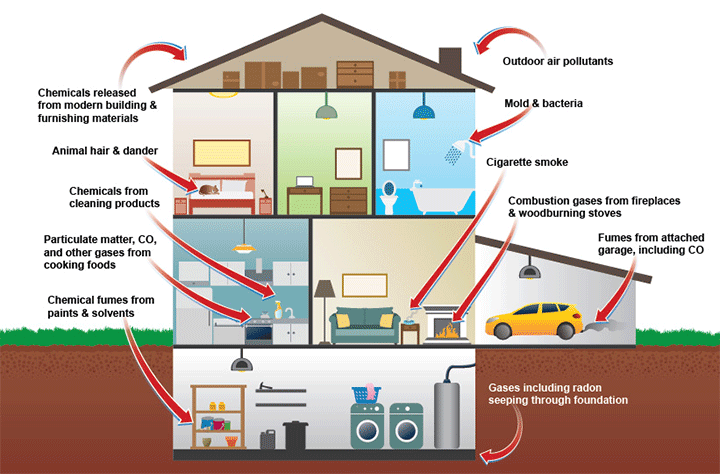
The main focus of this is the “occupants”. The person dwelling in this house or building every day inhaling their impending sickness…or death.
However, I could imagine some of you reading this and thinking, a bit dramatic, isn’t he? All of this talk of sickness and death…
You’re free to think whatever you like, but try to stick around for the facts.
In line with the British Lung Foundation speaks of the different particles that make up (IAP) indoor air pollution. Dust, soot, dirt, and dust mites also include gasses – carbon monoxide, nitrogen oxide, and more. https://www.blf.org.uk/support-for-you/indoor-air-pollution/about-indoor-air-pollution
Sounds appetizing, doesn’t it? A pleasant pollutant particle cocktail for the lungs.
(fortunately, we will be speaking of one appliance).
Perhaps I should add that we as a society spend 90% of our time indoors. Yes, that’s nearly 100% of our work and leisure time in shops, offices, supermarkets, and our homes.
That’s an awful lot of opportunity for this particle cocktail to cause huge health problems.
But let’s take a moment to refocus on the subject at hand: Gas Stoves.
2. Sources of indoor air pollution
If you’re like most people, when you use a gas stove you believe you’re only cooking meals. Unfortunately, (of course, you wouldn’t knowingly do this!), it is also seasoning the air with a pollutant particle death toll.
As stated by the British Medical Bulletin, evidence is coming to light that indoor air pollution, from the application of solid fuels for cooking and heating, maybe a significant risk factor for coronary heart disease.
https://www.ncbi.nlm.nih.gov/pmc/articles/PMC4973663/
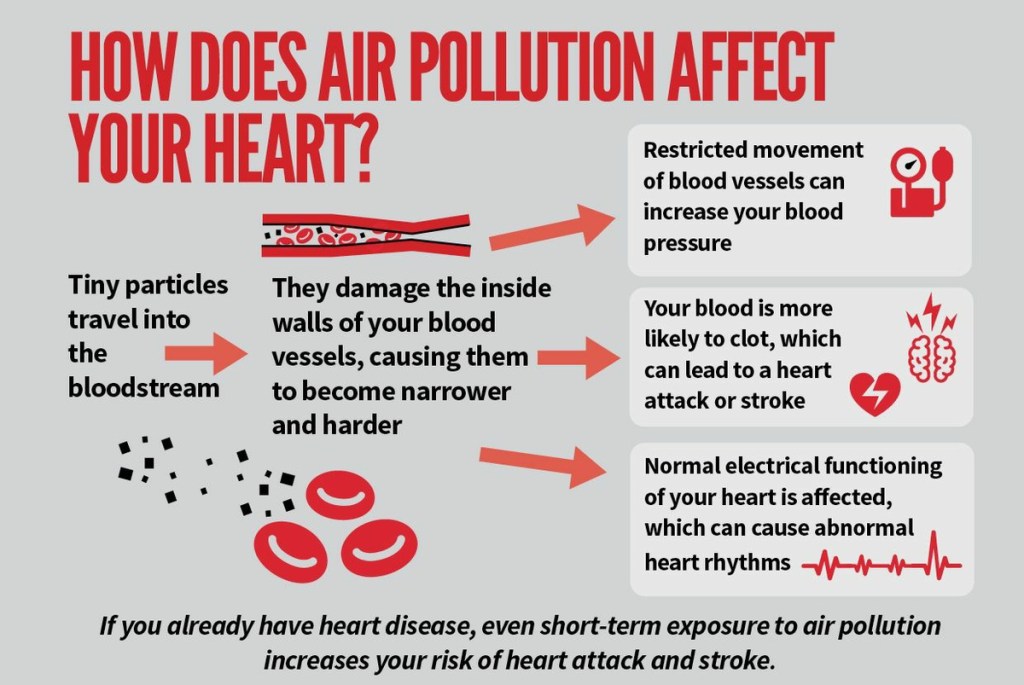
Now that we provided a little background, it’s time to narrow our focus again – gas stoves.
And I know they add a significant ambiance to family dinners, in-house dates, and everything in between.
But they’re outdated in terms of safety.
I know what you might be thinking, is this moron trying to suggest we Stop using gas stoves altogether?
No.
That would be the most cut-and-dry route but let’s be realistic…gas stoves are embedded in the culture.
In conformity with CBS News Pittsburgh, Over one-third of American households
(this group is passionate) – and up to 70 percent of homes in some states – prefer gas ranges to electric stoves for cooking. With this other group, good luck prying their precious gas stove from their cold dead hands!
https://www.cbsnews.com/pittsburgh/news/consumer-product-safety-examination-gas-stoves-banned-usa/

Knowing this, I want to console “this other group” that there are multiple options on the table. Even the last resort of manufacturers Forced to stop making gas stoves, is considered an extreme case.
Other considerations include new performance standards for range hoods to guarantee they are filtering out emissions and a necessity that stoves be sold with a ducted hood to vent outside.
We have already mentioned the effects of IAP but let’s take it a step further and discuss them.
3. Effects of indoor air pollution
Indoor air pollution from gas stoves can be critical to your health. Here are some of the effects of indoor air pollution from our beloved cooking companion – the gas stove.
As reported by Stanford.edu “ Stanford researchers estimate that methane leaking from stoves inside U.S. homes has the same climate impact as about 500,000 gasoline-powered cars and the stoves can expose people to respiratory disease-triggering pollutants.”
So…let me get this straight. Our friendly neighborhood appliance is trickling out toxic emissions equivalent to a small city. A small city that’s invading your home with respiratory disease-triggering poison.
And because of this poison, these symptoms become the norm for our children: doubled risk of childhood asthma compounded respiratory symptoms (wheezing, coughing and tightness of chest, etc), IQ learning deficiency, and more…
Of course, something cannot be thoroughly discussed without opposition.
(oh and by the way, that link for the weight loss product, LeanBiome…if you have even felt shame and embarrassment over your weight, your solution is here.)
4. Passionate Supporters Of Gas Stoves
The White House is Against banning gas stoves, not that the Consumer Product Safety Commission was looking to ban – last resort.
The CPSC only sought to regulate the issue.
Following https://www.foxbusiness.com/politics/biden-white-house-says-it-does-not-support-gas-stove-ban.amp

And other sources.
There are some decent points on why gas stoves are superior to the alternative, electric.
Professional chefs favor gas stoves because they can be ignited instantly. Thus, the gas cooktop can be heated up a lot faster than an electric cooktop. Your food will be made a lot faster.
If you happen to be the “family” chef, it was minimize complaints from the domestic audience.
Amplifies cooking abilities, gas ranges allow you to cut out the cookware. So you can do your grilling right from the stovetop.
An open flame can also make contact with the side of sculpted pans like woks or skillets for methods that require you to move food around the sides of the pan. Think of your gas stove like Maguyver of cuisines.
https://www.kitchenaid.com/pinch-of-help/major-appliances/gas-vs-electric-stove.html
Quick burner cooldown
When the burner is turned off, the temperature response is close to immediate.
https://www.kitchenaid.com/pinch-of-help/major-appliances/gas-vs-electric-stove.html
The next question is how do we ensure that we use our gas stoves safely…cause it’s obvious they’re not going anywhere anytime soon.
5. Tips to reduce indoor air pollution from gas stoves
1. Use a stove that is certified to reduce IAQ. These stoves have been tested and meet strict emissions standards.
https://www.epa.gov/burnwise/frequent-questions-about-wood-burning-appliances#about
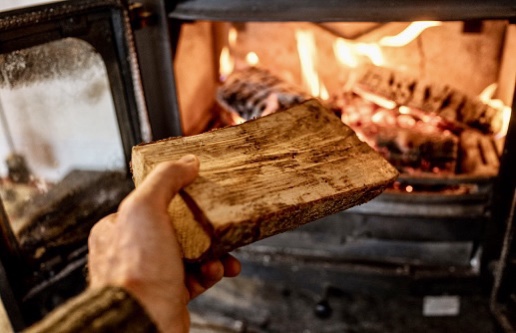
2. Stop using open fires to cook. Burn all wood in a stove using a stove insert or a chimney starter.
3. Use a stove hood to trap emissions and enhance aiflow.
4. Install an air cleaner to trap particles.
https://www.consumerreports.org/air-purifiers/what-can-an-air-purifier-catch/
5. Install a carbon monoxide detector in your home. If you are ever concerned about your health, get help from a professional.
We hope you enjoyed our blog post about indoor air pollution from gas stoves. Gas stoves are a favorite choice for many people, but they can also produce a significant amount of indoor air pollution.
This contamination can cause an assortment of health problems, including asthma and heart disease.
We urge you to choose a gas stove that has been certified to reduce indoor air pollution, and we also have a few tips for using gas stoves to reduce pollution even more.
Thank you for reading, and we hope that this post has helped you to decide on your gas stove.
Lastly…
This fat burner is also for those who have been bullied because of their weight, (even by family members).
Or asked about your due date…
This is your chance for revenge!
This safe health product can work wonders.
Until next time!
 Your Best Life
Leave a comment